HOW MARIJUANA DELIVERY SERVICES HAVE EVOLVED — AND WHERE THEY’RE HEADED NEXT
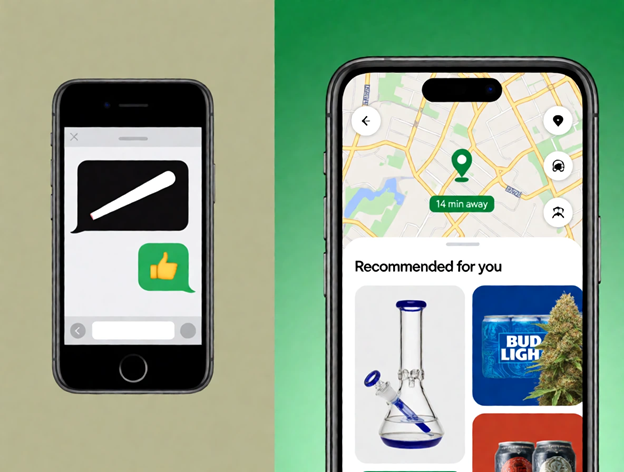
A marijuana delivery service in 2020 looked nothing like what’s available today. Back then, placing an order often meant browsing a bare-bones menu, sending a text, and waiting with no idea when your delivery would actually show up Fast Cannabis Delivery Fremont. The experience worked, but barely.
Fast-forward a few years, and the gap between then and now is striking.
Where It Started
Early marijuana delivery services operated on trust and patience. Menus were limited — sometimes just a list of strain names with no descriptions, no photos, and no lab data. Ordering usually happened through a phone call or text message, and confirmation was a brief reply saying your driver was “on the way.”
Estimated arrival times were loose suggestions at best. You might wait 45 minutes. You might wait two hours. There was no way to know, and reaching customer support — if it existed — meant calling back the same number you ordered from.
These services filled a real need, but the experience left a lot of room for improvement.
The Technology That Changed Everything
The biggest shift in marijuana delivery services came from borrowing technology that food delivery apps had already perfected.
GPS tracking was a turning point. Instead of wondering whether your driver was five minutes away or still across town, real-time maps showed exactly where they were. That single feature eliminated the anxiety of waiting and gave customers something they’d never had before — visibility.
Real-time order updates followed closely behind. Automated notifications now walk you through every stage: order confirmed, being prepared, driver dispatched, arriving soon. Each message reduces uncertainty and builds confidence that the system is working.
Digital menus replaced text lists with rich product pages featuring high-resolution photos, detailed strain information, THC and CBD percentages, and customer reviews. Shopping for cannabis online started to feel like shopping for anything else online — informed, visual, and at your own pace.
Smart inventory management solved another old problem. Early services frequently listed products that were already sold out. Modern platforms sync inventory in real time, so what you see on the menu is what’s actually available. No more placing an order only to get a call saying half your cart is gone.
What Today’s Best Services Look Like
The top marijuana delivery services in 2024 and 2025 operate with a level of polish that would have been hard to imagine five years ago.
Menus carry hundreds of products. Checkout takes less than a minute. Delivery windows have tightened from “sometime today” to 30-to-60-minute estimates that services actually hit consistently. Customer support now includes live chat and dedicated lines instead of disappearing into a void. Loyalty programs reward repeat customers with discounts and early access to new products — perks that used to be exclusive to brick-and-mortar dispensaries.
What’s Coming Next
The trajectory points toward even faster, more personalized delivery experiences. Predictive ordering — where a service suggests products based on your purchase history and preferences — is already showing up on some platforms. Route optimization software is cutting delivery times further by helping drivers plan more efficient stops.
Same-day and express delivery windows will keep getting shorter. As competition between services intensifies, speed becomes a differentiator. The services investing in their technology stack now are the ones that will set the standard over the next few years.
Marijuana delivery started as a convenience. It’s becoming the default way people buy cannabis.