COMPARING HASH VS WEED: WHAT YOU NEED TO KNOW
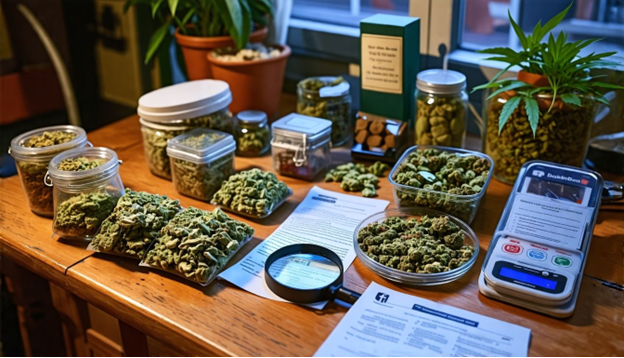
Deciding between hash and weed can often leave people scratching their heads, especially when they are new to the world of cannabis. Each offers a unique experience, with differences that might not be immediately clear Gastown Same Day Weed Delivery.
One key fact to keep in mind is that both hash and marijuana come from the same plant – Cannabis sativa.
This article aims to shed light on “Hash VS Weed,” giving you the insights needed to understand what sets them apart, including effects, uses, and legalities.
What is hash and marijuana?
Hash and marijuana are both forms of cannabis. Hash, also known as hashish, is a concentrated form of the resin from the trichomes of the cannabis plant. Marijuana, on the other hand, refers to the dried flowers and leaves of the female cannabis plant.
Definition of hashish
Hashish, often simply called hash, stands out as a potent form of cannabis. It’s made by collecting and compressing the resin (or trichomes) from the flowers of the cannabis plant.
These trichomes are tiny, gland-like structures on the surface of the buds that contain most of the plant’s cannabinoids and terpenes, which give hash its unique properties. Unlike regular marijuana or ganja, which can be dried and smoked in its herbal form, hash undergoes this additional step to concentrate its active ingredients.
Creating hash involves separating these glands from the rest of the plant material, often using sieves or water. Once collected, they are pressed together to form dense blocks or balls that range in colour from light blond to dark brown depending on their composition and method of extraction.
The result is a substance with a higher concentration of THC (tetrahydrocannabinol), CBD (cannabidiol), and other psychoactive compounds compared to traditional weed. This makes it more powerful when smoked or ingested.
Definition of Marijuana
Marijuana, also known as cannabis or weed, is a psychoactive drug derived from the Cannabis plant. It contains a chemical called tetrahydrocannabinol (THC), which is responsible for the “high” sensation commonly associated with its use.
The plant’s leaves, flowers, stems, and seeds are used to produce marijuana products such as joints, edibles, oils, and concentrates. Marijuana has been legalized for medical or recreational use in several states due to its potential therapeutic effects.
Similarities and differences
Transitioning from the core definitions, we delve into the similarities and differences between hash and marijuana, critical for understanding their distinct characteristics. Here’s a concise breakdown presented in a table format:
Effects and uses of hash and marijuana
The effects and uses of hash and marijuana vary from short-term and long-term impacts, methods of consumption, legal status, medical benefits, potential dangers and risks. These aspects provide an in-depth look into the differences between the two substances while shedding light on their unique properties and applications.
Short-term and long-term effects
Hash and marijuana have various short-term and long-term effects on the body and mind. Here are some of the specific effects to consider:
- Short-term effects may include altered senses, impaired body movements, difficulty with thinking and problem-solving, increased heart rate, and anxiety.
- Long-term effects might involve cognitive impairment, breathing problems, increased heart rate leading to potential cardiovascular issues, and mental health disorders such as depression or psychosis.
- Both hash and marijuana can cause respiratory issues due to the inhalation of smoke which contains carcinogens.
- Chronic use of both substances may lead to addiction with symptoms like irritability, insomnia, decreased appetite, cravings, and withdrawal.
These substances can have wide-ranging impacts that should be carefully considered before use or continued use.
Methods of consumption
Hash and marijuana can be consumed in various ways, providing users with different experiences. Some methods of consumption include:
- Smoking: Both hash and marijuana can be smoked using a pipe, bong, or rolled into a joint or blunt.
- Vaporizing: This method involves heating the hash or marijuana to release the active ingredients without burning it.
- Edibles: Cannabis-infused foods and beverages, such as brownies, cookies, gummies, and teas are popular for consuming hash and marijuana.
- Tinctures: Liquid extracts of cannabis that are consumed sublingually or added to food or drinks.
- Topicals: Hash and marijuana can be used topically in the form of lotions, balms, and oils for localized effects without producing a high.
- Dabbing: A method that involves vaporizing hash oil on a heated surface and inhaling the vapors.
Each method offers a unique experience and allows users to tailor their consumption based on preference and desired effects while staying within legal boundaries.
Legal status
The legal status of hash and marijuana varies widely across different regions and countries. While hemp-based products like CBD oil are legal in many places, marijuana remains illegal for recreational use in most parts of the world.
However, an increasing number of states and countries have legalized or decriminalized marijuana for medicinal use, recognizing its potential therapeutic benefits.
In 2018, the U.S. Farm Bill federally legalized industrial hemp production and removed certain cannabis plants from the Controlled Substances Act. This move made it legal to cultivate hemp with less than 0.3% THC on a federal level, although individual states still regulate their own hemp programs within their borders.
Additionally, some states have taken steps to legalize recreational marijuana as well, signaling a shift in attitudes towards cannabis legality.
Overall, while the legal landscape can be complex and varies by location, there is a growing trend towards decriminalization and legalization of both hemp-based products such as CBD oil and medical or recreational marijuana.
Medical benefits
Both marijuana and hashish have been used for centuries to treat various medical conditions. Medical marijuana has been shown to be effective in treating chronic pain, muscle spasms, nausea, and poor appetite associated with conditions such as cancer, HIV/AIDS, multiple sclerosis, and epilepsy.
Additionally, it has demonstrated promise in alleviating symptoms of PTSD and anxiety disorders.
Furthermore, CBD (cannabidiol), a compound found in both marijuana and hashish but more prevalent in the former, is being researched for its potential therapeutic benefits on conditions such as seizures, inflammation-related disorders like arthritis or Crohn’s disease, migraines, and even mental health issues like depression.
The burgeoning field of medical cannabis research continues to uncover new potential applications for these substances that could significantly impact healthcare practices.
Moving forward with the comparison between hash vs weed focuses on the potential dangers and risks involved in their usage.
Potential dangers and risks
Hash and marijuana can pose potential dangers and risks to users if not used responsibly. It’s crucial to be aware of these risks before consuming them. Here are some potential dangers and risks associated with hash and marijuana:
- Respiratory issues: Smoking hash or marijuana can lead to respiratory problems, including chronic bronchitis and lung infections.
- Cognitive impairment: Regular use of hash or marijuana may result in cognitive impairment, affecting memory, learning, and attention.
- Mental health concerns: There is evidence linking long-term hash and marijuana use to mental health issues such as anxiety, depression, psychosis, and schizophrenia.
- Impaired driving: Both hash and marijuana can impair motor coordination, judgment, and reaction time, increasing the risk of accidents when driving under the influence.
- Addiction potential: While not everyone becomes addicted, both substances carry a risk of dependence with regular use.
- Legal consequences: Possessing or using hash or marijuana is illegal in many places, leading to legal repercussions if caught.
- Risk of contamination: When obtained from unauthorized sources, there is a risk that hash or marijuana may be contaminated with harmful substances or pesticides.
- Adverse drug interactions: Using hash or marijuana alongside other medications can lead to adverse interactions, impacting overall health and well-being.
- Developmental impact: For younger individuals, the use of hash or marijuana can affect brain development and academic performance negatively.
Addiction and treatment
Addiction to hash and marijuana can lead to various health issues and should be addressed promptly. Treatment options for addiction to these substances include:
- Behavioral therapy: This type of therapy helps individuals recognize and change behaviors that lead to substance abuse, promoting healthier habits.
- Medication-assisted treatment: Certain medications can be prescribed to reduce cravings and manage withdrawal symptoms, supporting the recovery process.
- Support groups: Engaging in support groups or group therapy sessions can provide individuals with a sense of community and understanding as they work towards sobriety.
- Outpatient programs: These programs allow individuals to receive treatment while still living at home, providing flexibility for those with work or family commitments.
- Inpatient rehabilitation: Residential treatment facilities offer intensive, 24-hour care for those struggling with severe addictions and require a structured environment for recovery.
- Dual diagnosis treatment: Since substance abuse often coexists with mental health disorders, dual diagnosis treatment addresses both issues simultaneously.
- Holistic approaches: Some individuals may benefit from holistic treatments such as yoga, meditation, art therapy, and acupuncture in combination with traditional methods.
It’s important for individuals seeking help for addiction to find a tailored approach that suits their specific needs and circumstances.
History and popularity
Hash and marijuana have a long history, dating back thousands of years. The use of hashish is believed to have originated in the Middle East, while marijuana has been cultivated for medicinal and recreational purposes across various cultures.
In recent times, both substances have become increasingly popular due to changing attitudes toward cannabis use and legalization efforts in many countries. This shift in perception has led to a surge in popularity for both hash and weed products, with new consumption methods emerging and an expanding market for related accessories.
Conclusion
When comparing hash and weed, understanding the differences in their effects and uses is crucial. Recognizing the potential dangers and risks associated with consumption is important, as well as being aware of their medical benefits.
Exploring the history and popularity of both substances offers valuable insight into their societal impact. Understanding these aspects can help individuals make informed decisions about their use.